Why We Invested
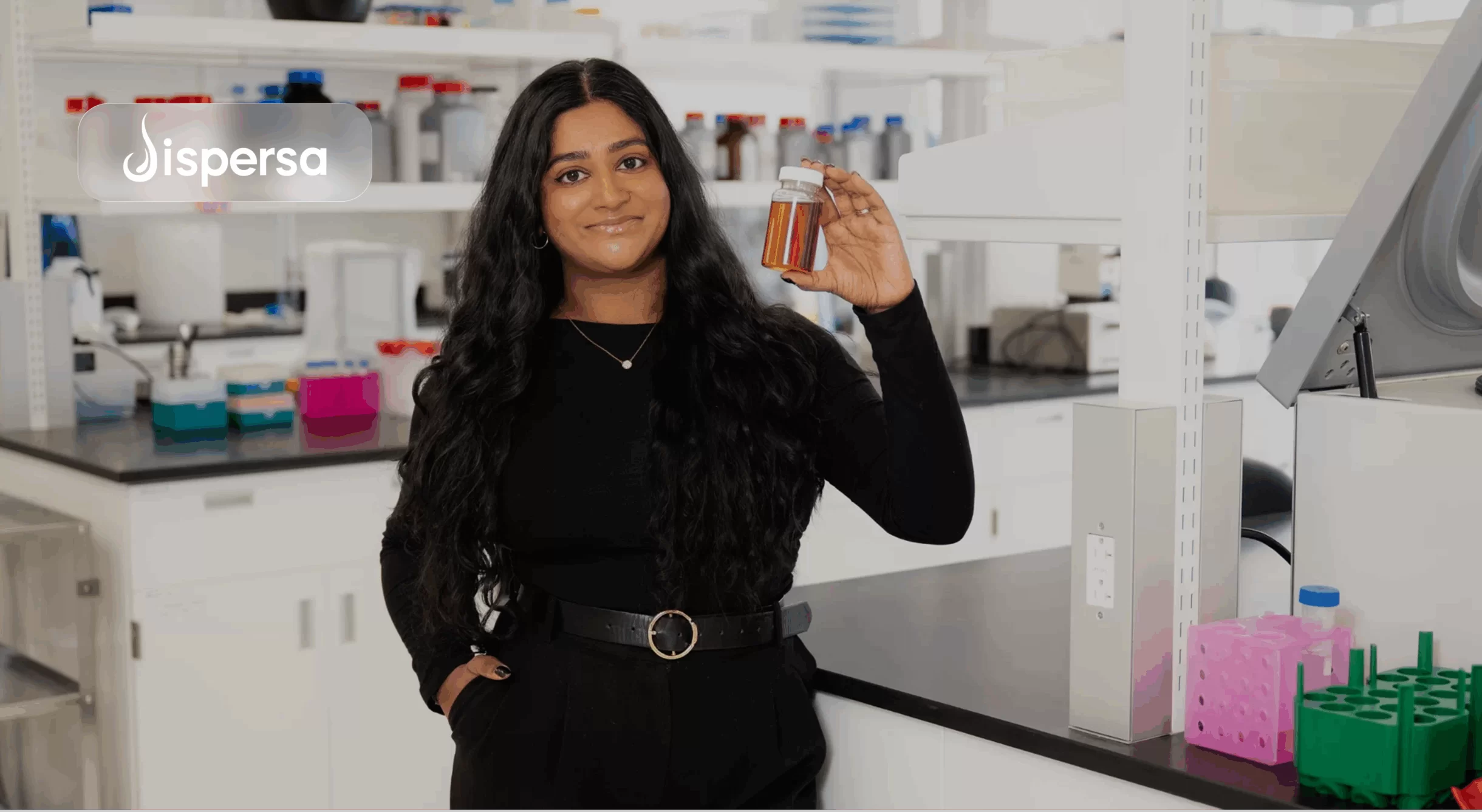
Dispersa has developed an innovative process to produce biosurfactants, essential ingredients in cleaning products, personal care, and cosmetics, representing a $60 billion market. By replacing petroleum and palm oil with residual waste materials, Dispersa manufactures sustainable and affordable biosurfactants. Food waste globally is a major contributor to greenhouse emissions, as decomposing food in landfills releases methane and carbon dioxide, which have significant environmental impacts. Dispersa’s technology addresses this issue by utilizing food waste as a resource, helping to reduce greenhouse emissions associated with traditional waste disposal.
To date, the company has achieved significant milestones in developing its technology and products. With this funding round, Dispersa will accelerate its expansion and commercial launch. The founding team has a strong, innovative vision for circular and sustainable production, recognizing that reducing food waste can play a key role in mitigating greenhouse gas emissions.
Addressing a Critical Global Challenge to Reduce Food Waste
Surfactants are among the most versatile ingredients in the chemical industry, found in everyday products such as surface cleaners, detergents, shampoos, and cosmetics. However, the vast majority of surfactants used today are derived from petroleum or palm oil. While biosurfactants offer a more sustainable alternative, their high cost and limited availability, especially in North America, have slowed widespread adoption. Dispersa is committed to solving this issue by offering a more accessible and eco-friendly solution. Reducing food loss and waste is a key strategy for mitigating climate change, as food waste contributes significantly to greenhouse gas emissions. Dispersa’s approach not only provides sustainable surfactants but also supports efforts to reduce food loss and waste, helping to address climate change.
Causes of Food Waste
Food waste is a widespread challenge that occurs at every stage of the food supply chain, from farm to table. One of the main drivers is the production and distribution of too much food, often resulting in avoidable food waste. Inefficiencies in supply chain management, such as overproduction and poor coordination between suppliers and retailers, can lead to surplus food that never reaches consumers. Additionally, consumer habits play a significant role, many people purchase more food than they can use, leading to wasted food at home. Another major factor is the rejection of imperfect produce; fruits and vegetables that are perfectly edible but don’t meet cosmetic standards are often discarded before they even reach store shelves. To reduce food waste, it’s essential to address these root causes by improving supply chain efficiency, encouraging consumers to buy only what they need, and finding ways to utilize all produce, regardless of appearance. By tackling these issues, we can prevent food waste, make better use of resources, and ensure that more food ends up on plates instead of in landfills.
Food Recovery Hierarchy
The Food Recovery Hierarchy, developed by the US Environmental Protection Agency (EPA), provides a roadmap for reducing food waste and its environmental impacts. At the top of the hierarchy is the prevention of wasted food, taking steps to avoid creating surplus in the first place. When surplus food does occur, the next priority is food recovery for human consumption, such as through food donations to those in need. If food is not suitable for people, it can be redirected as animal feed, ensuring that valuable nutrients are not lost. Further down the hierarchy, food waste can be used for industrial purposes, like generating energy or producing biofuels. The least preferred option is sending food waste to landfills, where it contributes to greenhouse gas emissions and environmental degradation. By following the Food Recovery Hierarchy, we can reduce food waste, support food production sustainability, and minimize the negative environmental impacts associated with wasted food.
Policy and Regulatory Frameworks
Strong policy and regulatory frameworks are essential for reducing food waste and building a more sustainable food system. Governments at all levels can drive change by enacting policies that encourage food recovery, reduce food loss, and promote responsible consumption. For example, tax incentives for businesses that donate surplus food can help redirect edible food to those in need, while clear guidelines for food date labeling can prevent unnecessary waste. Setting ambitious food waste reduction targets and supporting local waste reduction initiatives, such as composting and anaerobic digestion, can further decrease the amount of organic waste sent to landfills and lower greenhouse gas emissions. By prioritizing waste reduction and supporting innovative solutions, local governments and policymakers can help reduce food loss, protect the environment, and ensure that food production is more efficient and less wasteful.
Community Engagement
Community engagement is a powerful tool in the fight to reduce food waste and build a more sustainable food system. When individuals, businesses, and organizations come together, they can raise awareness about the impacts of food waste and inspire action at every level. Community-driven initiatives, like food recovery programs, composting projects, and farmers’ markets, help reduce food waste, support local producers, and strengthen food security. Educational campaigns and outreach efforts can encourage people to adopt waste reduction habits, such as meal planning, proper food storage, and creative use of leftovers. By fostering a culture of sustainability and collective responsibility, communities can significantly reduce greenhouse gas emissions, promote waste reduction, and create a more resilient food system for everyone.
Monitoring and Evaluation
Effective food waste reduction relies on robust monitoring and evaluation. By tracking how much food is wasted, recovered, or disposed of, stakeholders can identify opportunities for improvement and measure the impact of their efforts. Regular monitoring helps pinpoint which interventions, such as food recovery programs or composting initiatives, are most effective, allowing for the scaling up of successful strategies. Evaluation also raises awareness about the scale of food waste, encourages behavior change, and builds support for ongoing waste reduction initiatives. By establishing clear metrics and regularly assessing progress, we can ensure that our efforts to reduce food waste are making a real difference, moving us closer to a more sustainable and efficient food system.
A Revolutionary Solution with BioEterna
Dispersa has developed BioEterna, a fermentation process that converts edible food waste, which would otherwise contribute to environmental harm, into high-performance, cost-effective biosurfactants. This unique technology enables:
- Lower production costs, facilitating the adoption of eco-friendly alternatives.
- A positive environmental impact, reducing food waste and CO₂ emissions by diverting edible food waste from landfills, which helps prevent methane emissions – a potent greenhouse gas.
- Strengthened local production, reducing reliance on imported conventional surfactants.
Currently, Dispersa is marketing its first line of biosurfactants, PuraSurf, for the North American household, industrial, and institutional (HI&I) markets.
Strategic Next Steps
With this funding round, Dispersa is entering a strategic growth phase aimed at scaling up PuraSurf production by a factor of 50, transitioning from pre-commercial manufacturing to large-scale production. This expansion will not only meet the growing demand from businesses seeking sustainable alternatives to traditional surfactants but also ensure a reliable and competitive supply capacity.
At the same time, the company plans to enhance its production infrastructure, optimize industrial processes, and expand its distribution network to accelerate its market presence in North America. To support this growth, Dispersa also plans to double the size of its team, strengthening its expertise and innovation capacity while ensuring a smooth transition into this new phase of development.
A Vision for a Sustainable Future with Lower Greenhouse Gas Emissions
Dispersa is not just innovating; it is actively reducing the environmental footprint of the chemical industry. By transforming food waste into sustainable biosurfactants, the company tackles ecological challenges while providing a high-performance, economically viable alternative. Food waste is a major driver of global warming due to the greenhouse gas emissions it produces, so efforts to reduce waste are essential for environmental sustainability.
Through its circular approach and commitment to sustainable development, Dispersa positions itself as a key leader in the transition to greener chemistry, combining innovation, accessibility, and a positive environmental impact. Reducing food waste also conserves all the resources used in food production, such as water, land, and energy.