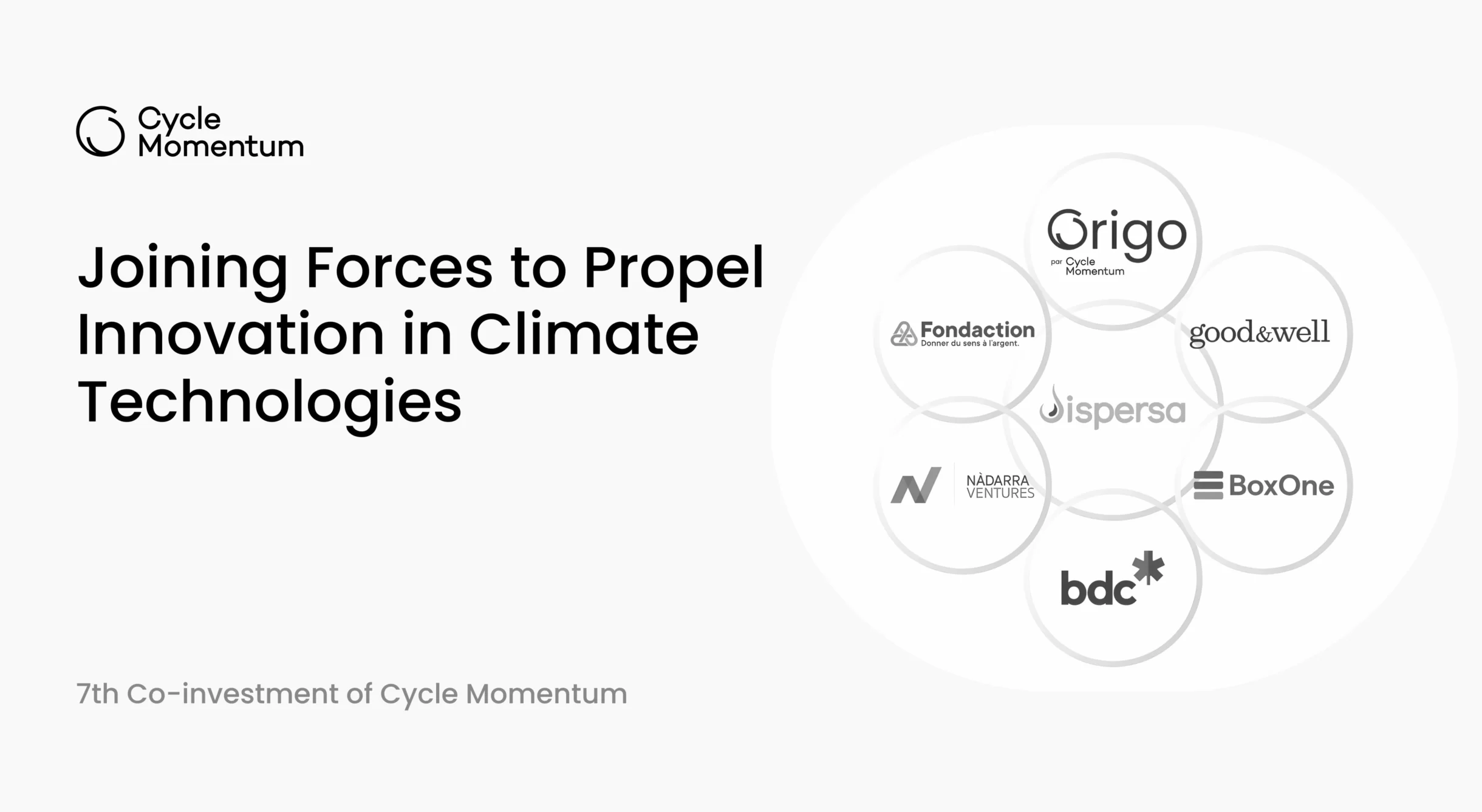
Dispersa, a leading Canadian food tech startup turning food waste into sustainable chemical ingredients, announces the successful close of $5.8 million CAD in seed funding. The round was led by Nadarra Ventures and backed by a consortium of all-Canadian investors, including new investors BDC Thrive Lab, Cycle Momentum, The51 Food & AgTech Fund, and Fonds d’investissement Eureka, through Hidden Layers Capital. This round also saw significant participation from existing investors, including Good & Well, Dragonfly Ventures, BoxOne Venture, and Front Row Ventures, demonstrating their continued belief in Dispersa’s growth trajectory.
The global food system, driven by agricultural production, is a major contributor to environmental challenges, including carbon emissions, methane emissions, and climate change. Food processing is a critical stage in the food supply chain that significantly influences downstream emissions and overall environmental impact. Addressing these impacts is critical for building a more sustainable future, especially as the world’s food waste problem continues to have a profound effect on the environment.
At Cycle Momentum, we believe in the power of technology to drive sustainable industrial transformation. Dispersa’s innovative approach – upcycling waste into biosurfactants – is a key step toward reducing reliance on petroleum products in household chemicals. We are proud to support their next stage of growth and to help accelerate technology that addresses both environmental and industrial challenges.” – Jennifer McDonald, Senior Vice-President, Investments at Cycle Momentum.
Surfactants are the active ingredients in many everyday products like surface cleaners, laundry detergents, shampoos, and cosmetics, representing the most versatile ingredient in the chemical industry. With over 90 per cent of surfactants currently derived from palm or petroleum, demand is surging for greener alternatives.
Dispersa’s proprietary technology, BioEternaTM, combines synthetic biology and precision fermentation to create 100 percent waste-derived, affordable, and high-performing surfactants. Using waste oils and sugars, BioEternaTM unlocks significant cost reduction while boosting surfactant sustainability. New technologies and food technology are essential building blocks for sustainable solutions in the food tech industry, enabling innovations like Dispersa’s. Using this process, Dispersa has developed its flagship ingredient, PuraSurf MTM: the world’s first fully waste-derived biosurfactan
This injection of capital will accelerate Dispersa’s ability to commercially scale the production of PuraSurf MTM to service some of the largest multinational companies in the North American household, industrial, and institutional (HI&I) sector.
The broader food tech investment landscape is rapidly evolving, with the fastest growing segments including alternative protein, foodtech startups, pet food startups, and animal feed. These areas play a significant role in reducing waste and carbon emissions across the industry.
“We are thrilled to welcome new investors and additional capital at a significant inflection point in Dispersa’s journey to make waste-derived biosurfactants mainstream and accessible. With mounting pressure to shift away from conventional surfactants due to regulatory and consumer demands, we are looking forward to making our sustainable alternatives available today to supply this vital market need. As the world’s population continues to grow, the demand for food and sustainable solutions intensifies, putting additional pressure on food production and supply chains.” – Nivatha Balendra, founder and CEO of Dispersa.
Venture Capital Investment and Funding
The food tech industry is experiencing a surge in investment and funding, fueled by the urgent need to reduce food waste and build more sustainable food systems. As the global population continues to rise, the pressure on food production and supply chains intensifies, making innovative solutions more critical than ever. According to a recent report, the global food tech market is projected to grow at a compound annual growth rate of 12.5% from 2023 to 2028, with investors increasingly drawn to companies pioneering alternative proteins, precision fermentation, and plant-based foods.
Public-private partnerships are also playing a pivotal role in accelerating investment. Organizations like the United Nations and the World Bank are supporting initiatives that promote sustainable food production, reduce food loss, and enhance food security. These collaborations are essential for scaling up solutions that address food waste across the entire value chain – from household food waste to surplus food in the food supply chain.
As the food tech industry continues to evolve, the focus on sustainable food, reducing food waste, and building resilient food systems will only intensify. With strong backing from venture capital, public-private partnerships, and a wave of innovative solutions, the next decade promises to bring even more breakthroughs that will help feed the world’s growing population while protecting the planet.
Food Waste Reduction Strategies
Reducing food waste is one of the most impactful ways to create a more sustainable food system and address the environmental challenges facing the global food industry. According to the United Nations, nearly one-third of all food produced worldwide – about 1.3 billion tonnes – ends up as wasted food each year. This staggering figure not only represents a loss of valuable resources but also contributes significantly to greenhouse gas emissions and methane emissions, intensifying the effects of climate change.
The food tech industry is at the forefront of developing innovative solutions to reduce food waste across the entire value chain. From food production and processing to food delivery and retail, companies are leveraging technology to improve supply chain efficiency, extend the shelf life of fresh produce, and create new products from surplus food.
Household food waste is another critical area where change is needed. Consumers can make a huge impact by planning meals, making thoughtful shopping lists, using leftovers creatively, and composting organic waste. Educating consumers about the environmental impact of food waste and providing practical tools to reduce waste at home are essential steps toward building more sustainable food systems.
Public-private partnerships and community initiatives also play a vital role in food waste reduction. Food banks, food recovery programs, and collaborations between governments, non-profits, and the private sector help redirect surplus food to those in need, supporting food security and reducing waste.
Looking ahead, the next decade will bring significant changes to the global food industry, driven by population growth, urbanization, and evolving consumer preferences. The food tech industry will continue to be a catalyst for change, with advancements in vertical farming, sustainable agriculture, and food delivery reshaping how food is produced, distributed, and consumed. Venture capital investment in food tech startups like Dispersa is crucial for accelerating the development and adoption of these innovative solutions.
About Cycle Momentum in Food Tech
Cycle Momentum is an international startup accelerator and innovation platform whose mission since 2015 has been to identify and support the development of cutting-edge technologies to address humanity’s major ecological challenges. Cycle Momentum offers acceleration and open innovation programs to support entrepreneurial growth, financing, and commercialization of climate technologies. We establish the necessary collaborations between industrial leaders and start-ups to accelerate the commercialization of their solutions. Cycle Momentum invests through Origo, an investment matching program supported by the Government of Quebec.
About Dispersa and Food Waste Reduction
Dispersa is a Canadian food tech startup that is transforming food waste to produce affordable and sustainable biosurfactants in an effort to reduce our dependence on fossil-fuel and palm-derived chemicals. Launched in 2019 by co-founder Nivatha Balendra, we are the world’s first company to scale waste-derived biosurfactants and establish biosurfactant manufacturing capacity in Canada, strengthening the local supply of sustainable ingredients.